Skip to content




Hair Loss After Pregnancy: Complete Postpartum Recovery Guide with Hairmax
Hair loss after pregnancy is caused by hormonal changes. During pregnancy, estrogen levels remain elevated, which keeps a higher percentage of hair follicles in the anagen phase. This results in thicker, fuller hair throughout pregnancy.
After childbirth, estrogen levels return to normal. This change causes many follicles to enter the telogen phase together. Instead of shedding gradually, hair falls out in larger amounts over a shorter period of time.
This condition, known as telogen effluvium postpartum, typically begins a few months after delivery. You might notice more shedding around your hairline, crown, or along your part line. The good news is that this process is temporary, even though the visual changes can feel significant.
Maternal hair loss at this stage is due to a disrupted hair cycle, not permanent follicle damage. Follicles remain alive but are temporarily inactive. They can respond to treatments that reactivate and promote hair growth.
The Hair Growth Cycle and Postpartum Disruption
The hair growth cycle consists of three primary phases: anagen, catagen, and telogen. Each phase plays a role in maintaining consistent hair density and coverage.
The anagen phase is the active growth stage, during which follicles produce new hair through rapid cell division. This phase determines the length and thickness of hair.
The catagen phase is a short transition period during which hair growth stops and the follicle begins to shrink.
The telogen phase is the resting stage. During this time, the hair remains in place before eventually shedding to make way for new growth.
During pregnancy, more follicles stay in the anagen phase for longer. After delivery, this balance shifts rapidly. Many follicles enter the telogen phase simultaneously, leading to increased shedding.
This disruption can lower overall hair density, making the hair appear thinner. Restoring the balance between these phases can help support regrowth after postpartum hair loss.
Telogen Effluvium Postpartum and Follicle Activity
Telogen effluvium postpartum is a temporary increase in shedding. It is caused by a shift in the hair growth cycle. Unlike conditions that permanently damage follicles, this process leaves follicles intact but inactive.
These follicles can produce new hair after re-entering the anagen phase. Low cellular activity and limited energy can delay this transition.
Supporting follicle reactivation is key for postpartum regrowth. Treatments that boost cellular energy and circulation help follicles return to growth more efficiently.
This approach focuses on restoring the natural cycle rather than replacing lost hair.
Breastfeeding Hair Loss and Continued Hormonal Influence
Breastfeeding hair loss is often part of the same hormonal transition that begins after childbirth. Hormone levels continue to fluctuate during this period, which can prolong shedding.
Prolactin levels may affect how the body uses resources, which can impact hair growth patterns. Some women experience prolonged thinning or slower regrowth as a result.
Despite this, follicles remain viable and responsive to stimulation. Supporting cellular function during this stage helps maintain consistent follicle activity and promotes regrowth.
Cellular Energy and Hair Regrowth
Hair production requires a continuous supply of energy. Follicle cells divide rapidly during the anagen phase, and this process depends on ATP generated within the mitochondria.
After pregnancy, cellular activity decreases, which may limit energy production. This natural shift can slow the body's return to active growth and delay hair regrowth after childbirth.
Improving cellular energy is a key factor in restoring normal hair growth. When follicles receive sufficient energy, they can resume active function and produce stronger hair.
How Hairmax Laser Technology Supports Postpartum Hair Loss Regrowth
Hairmax devices use low-level laser therapy delivered through medical-grade lasers. These lasers emit focused, coherent light that penetrates the scalp and reaches the follicle root.
When absorbed by follicle cells, this energy stimulates mitochondrial activity and is associated with increased cellular energy (ATP production). Energized cells support active growth and maintain follicle function.
Laser stimulation also improves microcirculation, increasing the delivery of oxygen and nutrients to the follicle. This supports the biological processes needed for hair production.
Through these mechanisms, Hairmax technology reactivates follicles, stabilizes the hair growth cycle, and promotes consistent postpartum hair loss regrowth.
Extending the Anagen Phase for Fuller Hair
The anagen phase is responsible for producing thick, visible hair. Extending this phase is essential for restoring density after pregnancy hair shedding.
Hairmax may help support a longer growth phase (anagen phase) by increasing cellular energy and improving circulation. This keeps follicles active for longer periods.
With more follicles in the growth phase, hair looks fuller and more evenly distributed. This leads to better coverage and stronger overall hair quality.
Clinical Validation and FDA Clearance
Hairmax laser devices are FDA-cleared to promote hair growth in people with thinning hair, including those experiencing postpartum hair loss associated with androgenetic alopecia.
Clinical studies show significant increases in hair density among laser therapy users. These results confirm the effectiveness of targeted follicle stimulation.
Hairmax devices help women with early to moderate thinning, including those classified within Ludwig I–II patterns and Fitzpatrick skin types I–IV. This ensures treatment is applied within established clinical guidelines.
The Hairmax Protocol for Postpartum Recovery
Postpartum hair loss (telogen effluvium) is different from androgenetic alopecia. While Hairmax devices are FDA-cleared for androgenetic alopecia, they may be used as part of a broader hair care routine to support overall hair growth during postpartum recovery.
Hairmax devices are designed for consistent use three times per week. This structured protocol provides regular scalp stimulation, supporting follicle reactivation.
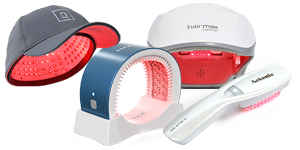
Hairmax offers multiple device formats, including laser caps, helmets, bands, and combs. Each device delivers medical-grade laser energy directly to the scalp.
Laser caps and helmets offer full scalp coverage in a hands-free format. Laser bands and combs allow for targeted use, focusing on areas with visible shedding from pregnancy hair loss.
This flexibility allows users to integrate treatment into their routine while maintaining consistent energy delivery to the follicles.
Timeline of Postpartum Hair Loss Regrowth
Postpartum hair loss regrowth occurs gradually as follicles transition back into the anagen phase. With consistent use of Hairmax devices, follicles receive ongoing support.
Some users may notice improvements in hair appearance over time. As follicles remain active through repeated cycles, hair gets thicker and more visible.
Continued use stabilizes hair growth in the long term. This allows ongoing improvements in density and fullness.
Who Is This Treatment Designed For?
Hairmax devices effectively treat various forms of female hair loss, ranging from postpartum and pregnancy-related shedding to androgenetic alopecia.
The treatment is most effective for individuals with early to moderate thinning, in which follicles remain alive and responsive to stimulation.
Women seeking a non-invasive, clinically proven solution for postpartum hair regrowth can benefit from incorporating the Hairmax routine into their recovery.
Restoring Density and Confidence After Pregnancy
Pregnancy hair shedding can change appearance and reduce confidence. Thinning is often more noticeable during the postpartum period.
By reactivating follicles and supporting the hair growth cycle, Hairmax devices can help restore fuller, healthier-looking hair after pregnancy. Using Hairmax may lead to increased hair density, improved coverage, and a more confident, revitalized appearance for women recovering from pregnancy-related shedding.
This approach supports natural regrowth while aligning with the biological processes that control hair production.
Conclusion
Hair loss after pregnancy is a biologically driven process caused by hormonal changes that disrupt the hair growth cycle. Telogen effluvium postpartum leads to increased shedding and reduced density, but follicles remain capable of regrowth.
Hairmax medical-grade laser technology addresses these changes at the cellular level. By increasing ATP production, improving circulation, and reactivating follicles, it restores the conditions needed for consistent hair growth.
With FDA-cleared laser caps, helmets, bands, and combs, the Hairmax protocol provides a clinically proven, non-invasive solution for regrowing hair after postpartum hair loss. Through consistent use, it stabilizes the growth cycle, increases density, and restores fuller, healthier hair.