Skip to content




Hair Growth Cycle Explained: Science of Anagen, Catagen & Telogen Phases
Each hair follicle on the scalp operates independently. This means that individual hairs are at different stages of the growth cycle at any given time. Because of this staggered cycle, the scalp maintains consistent hair coverage instead of losing all hair at once.
The hair growth cycle consists of three main phases:
- Anagen (Growth phase)
- Catagen (Transition phase)
- Telogen (Resting and shedding phase)
Interactions between follicle cells, blood supply, hormones, and cellular energy production control this cycle. The dermal papilla at the base of the follicle regulates growth activity. Surrounding blood vessels deliver oxygen and nutrients required for rapid cell division, while follicle cells produce the keratin proteins that form the hair shaft.
When these biological processes function normally, hair grows steadily for several years before transitioning into a brief resting stage. At the end of the cycle, the existing hair sheds, and a new hair begins to grow from the same follicle. This continuous regeneration allows the scalp to maintain thousands of active hairs at any given time.
Disruptions to cellular energy, blood circulation, or hormonal balance can alter this cycle. When the growth phase shortens or the resting phase becomes prolonged, fewer hairs are actively growing at the same time. Over time, this imbalance leads to reduced density and visible thinning.
The Anagen Phase: Active Hair Growth
The anagen phase is the most important stage of the hair growth cycle. During this period, the follicle actively produces a new hair shaft through rapid cell division in the hair matrix. Cells multiply continuously, pushing the hair upward through the scalp while keratin proteins form the structural fibers that give hair its strength and shape.
In healthy follicles, the anagen phase typically lasts between three and seven years. Because this stage is long, approximately 85 to 90 percent of scalp hairs are actively growing at any given time. Hair grows gradually during this phase, averaging about half an inch per month. The length of the anagen stage ultimately determines the maximum length hair can reach.
Several biological processes support growth during this stage. The follicle remains connected to a network of blood vessels that supply oxygen and nutrients. Mitochondria within follicle cells generate ATP, the cellular energy required for rapid cell proliferation. Pigment cells, known as melanocytes, produce melanin which gives hair its natural color.
Because the anagen phase involves intense biological activity, it is highly dependent on strong cellular metabolism and healthy circulation. When these processes decline, the growth phase may shorten. This results in thinner hair strands, shorter lengths, and a gradual loss of density.
Why the Anagen Phase Is Critical for Hair Density
Hair thickness and fullness depend largely on the duration and stability of the anagen phase. When follicles remain in this stage for several years, they have enough time to produce thick terminal hairs. These hairs grow longer, maintain strong structure, and contribute to overall scalp coverage.
In contrast, when the growth phase becomes shortened, follicles produce hair for a shorter period before entering the transition stage. Each cycle results in a thinner strand than the previous one. Over time, this process contributes to follicle miniaturization, where terminal hairs gradually become finer and less visible.
This shortening of the anagen phase is one of the defining characteristics of androgenetic alopecia. As follicles become sensitive to dihydrotestosterone (DHT), their growth cycles progressively shrink. Because of this, supporting a longer and more stable anagen phase is essential for maintaining strong hair density and healthy regrowth.
Hairmax laser technology supports the biological conditions that influence this stage of the cycle. FMedical-grade laser therapy enhances scalp circulation and cellular energy, creating the ideal environment for sustained hair growth.
The Catagen Phase: Transition Stage
The catagen phase represents a brief transitional period between active growth and rest. During this stage, hair production stops, and the follicle begins structural changes that prepare it for the resting phase. The lower portion of the follicle gradually shrinks, and the dermal papilla disconnects from the hair matrix.
This stage typically lasts between two and three weeks and involves only about one percent of scalp hairs at any given time. Although the catagen phase is short, it plays an important role in regulating the hair growth cycle. The structural changes that occur during this stage allow the follicle to reset before the next growth cycle begins.
During the catagen phase, the hair shaft remains anchored within the follicle but is no longer actively growing. The follicle moves closer to the scalp surface as the lower portion regresses. Once these changes are complete, the follicle enters the telogen stage.
Although catagen is a natural phase of the hair cycle, earlier disruptions can trigger follicles to enter this stage prematurely. When too many follicles transition out of the growth phase too early, hair density gradually declines.
The Telogen Phase: Resting and Shedding
The telogen phase is the resting stage of the hair growth cycle. During this period the follicle remains inactive and the existing hair strand stays anchored in the follicle while the follicle prepares to begin a new growth cycle.
Telogen typically lasts around three to four months. During this stage, approximately 10 to 15 percent of scalp hairs are in the resting phase. Overall density remains stable because the majority of follicles are still actively growing, even while others rest.
At the end of telogen, the follicle begins forming a new hair beneath the resting strand. As the new hair grows, it pushes the old hair outward until it eventually sheds. This process is responsible for natural daily hair loss.
Most individuals shed between 50 and 100 hairs per day as part of the normal cycle. Because new hairs replace those that are shed, this daily loss usually goes unnoticed.
How the Hair Growth Cycle Changes in Hair Loss
In conditions such as androgenetic alopecia, the hair growth cycle becomes progressively altered. The most significant change involves shortening of the anagen phase. Instead of remaining in active growth for several years, follicles transition into the resting stage more quickly.
As the cycle shortens, hair strands grow for a shorter time and reach a smaller diameter. Each new growth cycle produces progressively thinner hair. Over time, this process leads to follicle miniaturization, in which fine vellus-like hairs gradually replace terminal hairs.
During this phase, resting periods lengthen, delaying the onset of new growth. When more follicles remain inactive at the same time, hair density decreases. These combined changes create the visible pattern of thinning associated with hereditary hair loss.
Although miniaturized follicles are weak, they remain active during early stages of the condition. Supporting follicle function during this period can help stabilize the growth cycle and promote thicker hair production.
Supporting the Hair Growth Cycle
Healthy hair growth is dependent on a healthy scalp. Several factors influence follicle performance and the stability of the growth cycle.
Adequate blood circulation is essential because follicles rely on a steady supply of oxygen and nutrients. Strong mitochondrial activity is also important because follicle cells require significant energy to produce keratin and sustain rapid cell division. In addition, balanced scalp tissue conditions help maintain the signaling pathways that regulate transitions between the anagen, catagen, and telogen stages.
When these factors are supported, follicles are more likely to remain productive and sustain longer growth phases. Hairmax laser technology enhances these biological processes by delivering targeted light energy directly to living follicles.
How Hairmax Laser Technology Supports Hair Growth
Hairmax devices use low-level laser therapy delivered through medical-grade lasers. These lasers emit coherent and concentrated light that penetrates the scalp and reaches the follicle root. Unlike LED devices that disperse light across the surface, medical-grade lasers deliver targeted energy to the cells responsible for hair growth.
When this light energy is absorbed, it stimulates mitochondrial activity and increases ATP production. ATP is the primary source of cellular energy that powers metabolic processes. Higher energy levels allow follicle cells to function more efficiently and support the biological processes required for hair production.
Laser stimulation also supports microcirculation around the follicle. Improved blood flow enhances oxygen and nutrient delivery, which is essential for sustaining active growth during the anagen phase. By improving cellular energy and circulation, Hairmax technology helps create optimal conditions for healthy follicle activity.
Laser Devices vs LED Devices
Many consumer hair growth devices use LED light as their energy source. LED light spreads across the scalp and disperses quickly, reducing the intensity delivered to the follicle root. Because the light is less focused, the energy reaching the follicle may be limited.
Hairmax devices use medical-grade lasers that produce coherent, collimated light. This focused light penetrates the scalp more effectively, delivering concentrated energy directly to living follicles. Targeted energy delivery is essential for stimulating the processes that support the hair growth cycle.
This distinction between LED and laser technology is an important factor when evaluating hair growth treatments.
Clinical Validation and FDA Clearance
Hairmax laser devices are FDA Cleared* to promote hair growth in males and females with androgenetic alopecia. Clinical studies evaluating low-level laser therapy have demonstrated statistically significant increases in hair density among users compared to sham devices.
These results support the effectiveness of medical-grade laser stimulation in promoting biological conditions associated with healthy hair growth. By improving cellular energy production and supporting scalp circulation, Hairmax devices help stabilize the processes that regulate the hair growth cycle.
Treatment Frequency and Expected Results
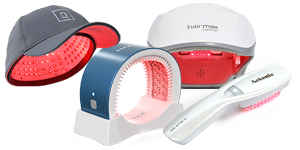
Hairmax devices are designed for convenient use at home. Most treatment protocols recommend three sessions per week, with session durations varying depending on the device format. Laser caps, helmets, bands, and combs each provide targeted scalp coverage while delivering therapeutic light energy to follicles.
Because hair growth occurs gradually through a natural cycle, results appear over time with consistent use. Early changes may include reduced shedding and improved hair texture. As follicles remain active through repeated stimulation, visible improvements in density and fullness typically become noticeable within several months.
Maintaining a consistent treatment routine helps support the biological processes that regulate the hair growth cycle.
Conclusion
The hair growth cycle is a complex biological system that determines how hair grows, sheds, and regenerates. The three primary phases—anagen, catagen, and telogen—work together to maintain healthy hair coverage across the scalp. When these stages occur in the correct balance, follicles produce strong terminal hairs and replace naturally shed strands with new growth.
Disruptions to this cycle can shorten the growth phase and prolong the resting phase, leading to gradual thinning. Conditions such as androgenetic alopecia alter follicle activity over time, reducing density and producing finer hair strands.
Hairmax medical-grade laser technology supports the biological processes that influence the hair growth cycle. By increasing cellular energy, improving circulation, and stimulating follicle activity, Hairmax devices promote healthier scalp conditions.
With FDA-cleared laser caps, helmets, bands, and combs, Hairmax provides a clinically proven, non-invasive approach to supporting thicker, fuller-looking hair and restoring confidence in individuals experiencing thinning hair.